David Ezra Stein on Beaky Barnes | Interview
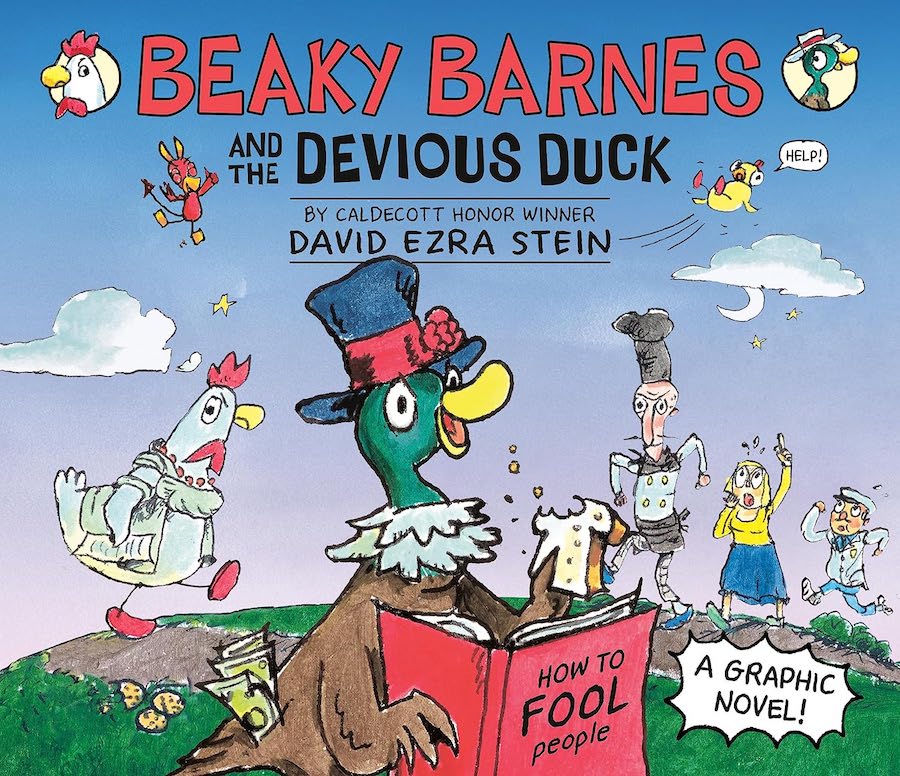
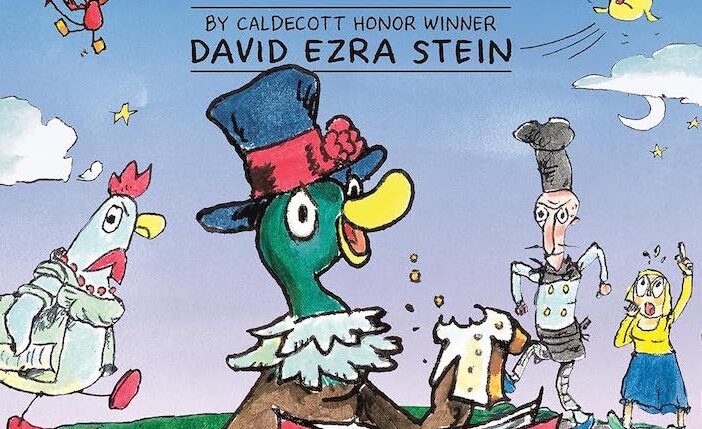
Today we’re talking to David Ezra Stein, the author of I’m My Own Dog, Interrupting Chicken, and numerous other picture books as well as the delightful graphic novel Beaky Barnes: Egg on the Loose and now, Beaky Barnes and the Devious Duck (check out our preview!).
Beaky Barnes and the Devious Duck will be published by Penguin Workshop on January 4, 2024, and the publisher recommends it for grades 1-4.
OK, first of all, Beaky Barnes is only a side character in this book! It’s really all about the duck. Beaky didn’t exactly dominate the first book either. Why does the title character get so few lines?
ADVERTISEMENT
ADVERTISEMENT
Although she doesn’t take up much screen time, Beaky is the hero of both books. In the first book, she was defending her creation—her egg—against all those who would use it for their own purposes. In the second book, she swoops in and saves the town from the duck, while helping him find his place in society and his calling in life. She is the heart and conscience of the town, as well as its guardian. If this were a Chelm story (in the Jewish and European tradition of telling stories about a town of fools) she would be the (relatively) wisest person, or the rabbi.
In terms of actual lines, I think there is something very funny about Beaky being the hero but only being able to say BUCK and CLUCK. It’s a fun challenge as an author and works well in a visual medium like comics.
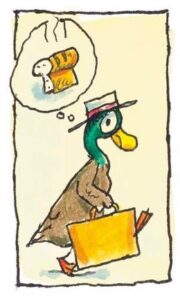
I particularly like the duck’s hat in this book. It’s a classic con artist hat. How did you come up with that character and that design?
Aw, thanks! There are two hats in the book. For the top hat: Since the duck is a trickster, I was thinking of a magician’s hat—a top hat with a flashy band. Also, I went to see Donizetti’s opera L’Elisir D’Amore while I was working on the art, and there is a con man in that opera who wears a top hat as well. It was a bit of synchronicity that underlined the idea of using a top hat for the duck. For the straw boater hat the duck wears most of the time, I was heavily influenced by The Music Man, where Robert Preston and the other gents wore straw boaters. (Yes, I am an opera and musical theater fan!)
For the duck himself: As with every character design I do, I did many, many studies before I arrived at the final duck design. There are quite a few cartoon ducks out there already so I wanted to make sure he was distinctive. White feathers were out, so I went for a mallard color scheme. I tried a lot of different greens and browns before settling on the dark green and brown combination. Actually, I texted a couple of options to my buddy, highly accomplished kid-lit creator Matthew Cordell, and he said to go with the darker sample. Thanks, Matt!
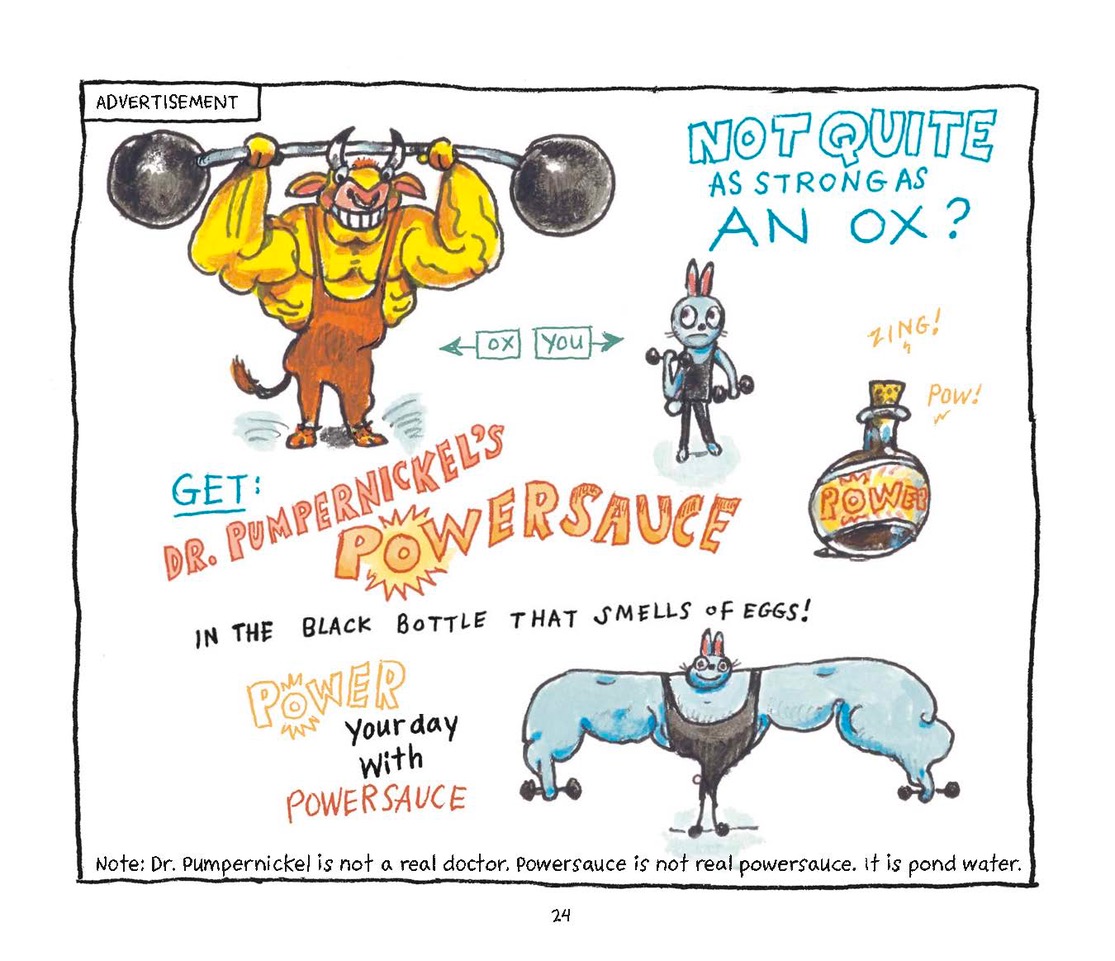
There’s a lot of very silly humor in this book. How do you, a functioning adult, get yourself into the zone to write and draw like this? Are you naturally silly, or do you have to work at it?
I am naturally playful and silly. A kid at heart, really. These graphic novels are me sitting down and writing funny scenes and then trying to figure out how they all fit together. I have a rough outline of where I want to go, and big themes I want to explore. Humor and silliness are a powerful tool. Life can be pretty absurd anyway, so in a way I am only reflecting the inherent silliness of all human endeavors. I think of the books like a kid’s view of what grownups do all day.
I naturally think in images of action and dialogue, even when I write my picture books. So comics are a native language to me. I don’t have to limit myself to 32 pages of single or full-spread images. Don’t get me wrong—I love the limitations of picture books and they are a beautiful art form. But comics are closer to movies and and animation, and that is an exciting thing to explore.
The story moves very fast, and it feels like there’s something to make me laugh on every page. Was it quick to write, or did it take you a long time to come up with all these different gags? And which comes first, the storyline or the gags?
Hooray! So glad to hear that. 🙂 Yes, it took a lot of effort and a long time, relatively. About a year and a half to write it and edit it down to the proper size. I tend to generate too many ideas and too much content for the book, and then whittle it down. As I mentioned earlier, I write in images as well as words, and that was a good way to get right into the action of each scene/funny scenario. I absolutely love figuring out how each character’s storyline fits with all the others’. It’s like writing a TV series or actual novel. When everything comes together, it’s thrilling.
How does your work as an animator inform your comics work?
ADVERTISEMENT
ADVERTISEMENT
I don’t actually work as an animator, though I’ve taken a few classes over the years. I do think cinematically, in terms of camera angle, cropping, action, and of course what to show versus what not to. In other words, I think about the story beat that each panel shows, and how close or far they should be from each other—pacing. I should mention that my Interrupting Chicken book series is now a show on Apple TV+, and it’s been so exciting seeing my books become animated, from a script perspective, and design, acting, and animation.
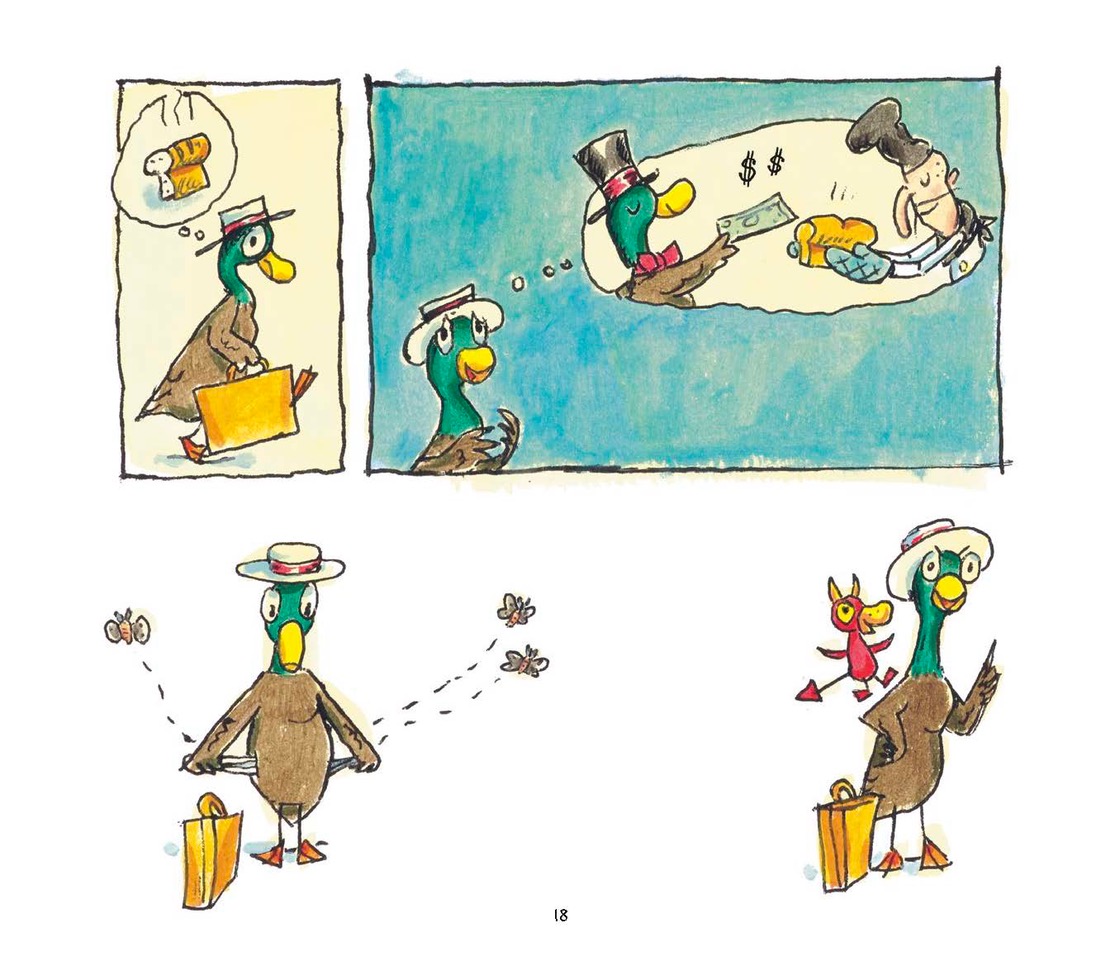
Much of the action is wordless. Why do you like to work that way, and what are the challenges?
I am a very word-loving person, but I also love sometimes letting the story be told with gesture and acting only. In a graphic format, you can do that. It’s like silent film or charades in its unversality of expression. Kids who are just learning to read can follow the story without trouble, so it’s accessible, and the book moves faster without words. The challenge is to be universal in the facial expressions and body language, and make sure the emotions are clear. That’s what moves the story and makes people invest in it. When Chickie is floating out the window, I don’t need words to get the reader to say, Oh, no! The cute little chick is in danger!
I’m sensing a love of classic comics in this story. What comics did you read growing up, and which ones have influenced your work?
Yes! Very much so. Good call! In addition to being influenced by Looney Tunes, TV commercials, and movies, I grew up with Tintin, Calvin and Hobbes, Garfield, Peanuts, and all the newspaper comics, like Hagar the Horrible. The line work and sense of humor and irreverence are burned into my mind. Also Mad Magazine was a big effect on me—it was overflowing with comics—especially by Sergio Aragonés, who later created his own Groo comics. Tintin is so cosmopolitan, adventurous, funny, and beautifully illustrated. The colors! Wow. Calvin and Hobbes are like my childhood best friends.
I more recently discovered Carl Bark’s Donald Duck and fell in love with that; as well Asterix; and Krazy Kat by George Herriman, with its wonderful word play, poetry, and big heart.
Last question: What’s next? Will we be seeing more of Beaky Barnes and the rest of the gang?

No definite plans at the moment, but I would be delighted to bring back these wacky folks for another adventure.
Filed under: Graphic Novels, Interviews

About Brigid Alverson
Brigid Alverson, the editor of the Good Comics for Kids blog, has been reading comics since she was 4. She has an MFA in printmaking and has worked as a book editor, a newspaper reporter, and assistant to the mayor of a small city. In addition to editing GC4K, she is a regular columnist for SLJ, a contributing editor at ICv2, an editor at Smash Pages, and a writer for Publishers Weekly. Brigid is married to a physicist and has two daughters. She was a judge for the 2012 Eisner Awards.
ADVERTISEMENT
ADVERTISEMENT
SLJ Blog Network
Rebecca Stead’s EXPERIMENT
31 Days, 31 Lists: 2025 Books with a Message (Social & Emotional Learning)
From Policy Ask to Public Voice: Five Layers of Writing to Advance School Library Policy
ADVERTISEMENT